Building Integrated Photovoltaics
THE BUILDING ISTHE POWER PLANT.
Architectural solar glass that replaces conventional building materials. Generate clean power directly from your facades, skylights, and canopies without sacrificing aesthetics or natural light.
The Concept
Invisible solar. Visible returns.
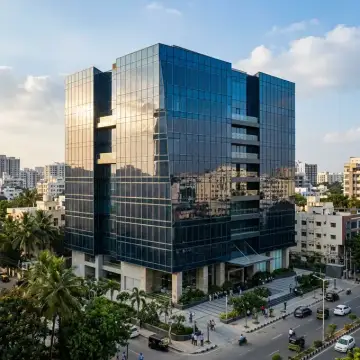
Building Integrated Photovoltaics (BIPV) represents the pinnacle of modern architectural solar. Instead of mounting panels on a building, BIPV materials are built into the building, replacing traditional materials like glass facades, roofing sheets, or canopy covers.
By utilizing advanced N-Type TOPCon transparent solar glass, buildings can achieve customizable levels of light transmission (10% to 40%) while generating significant electricity. This allows architects to maintain their design vision while fundamentally altering the building's energy footprint.
The financial logic of BIPV is uniquely compelling: because the solar glass replaces the cost of conventional architectural glass or cladding, the effective marginal cost of the solar capability is dramatically reduced, resulting in faster payback periods than traditional rooftop solar.
Architectural Applications
Where to integrate BIPV.
Solar Facades & Curtain Walls
Replace standard double-glazed glass on high-rise office buildings. Generates power vertically, performing exceptionally well during winter months when the sun angle is lower.
Skylights & Atriums
Use semi-transparent solar glass to flood building interiors with natural, filtered light while generating electricity and reducing thermal heat gain.
Solar Canopies & Carports
Turn parking lots and entrance drop-offs into functional power plants. Protects vehicles from sun and rain while charging the building or EV fleets.
Solar Pergolas & Balconies
Ideal for premium residential developments and hospitality projects. Integrates seamlessly into modern outdoor living spaces as functional shade structures.
The Financial Logic
The marginal cost of solar.
Why pay for premium architectural glass and then pay for electricity, when one material can provide both?
| Material Strategy | Upfront Cost | Energy Generation | Thermal Performance | Net Lifecycle Cost |
|---|---|---|---|---|
| Traditional Premium Glass | High (Base Cost) | Zero | Moderate | Very High (Sunk cost + Ongoing power bills) |
| Traditional Glass + Rooftop Solar | Highest (Glass + Solar) | High | Moderate | Moderate (Savings offset high upfront cost) |
| BIPV Solar Glass | Medium (Offsets base glass cost) | Very High (Utilizes facade area) | Excellent (Double glazed U-values) | Lowest (Asset pays for itself, then profits) |
Accelerate Green Certifications
For developers, BIPV is the ultimate tool for achieving high-tier green building certifications like LEED Platinum, GRIHA (5-Star), and IGBC.
BIPV contributes to certification points across multiple categories simultaneously: On-site Renewable Energy Generation, Energy Efficiency (due to superior thermal insulation and reduced HVAC loads), and Innovation in Design.
Buildings with premium green certifications command higher lease rates, attract multinational corporate tenants with strict ESG mandates, and often qualify for lower-interest green financing options from major banks.
Are you an architect, developer, or facade consultant?
BIPV must be integrated during the design phase. SOLGURU provides complete BIPV engineering, custom glass manufacturing specifications, and installation routing plans to ensure seamless integration into your architectural vision.
Ready to get started?
Get a free site survey and personalized proposal from our engineering team.
Get Free Site Survey